Medical Futurists · Scott Steinberg

Medical Futurist Keynote Speaker for Healthcare and Life Sciences Events

Award-winning business, technology and medical futurist keynote speaker Scott Steinberg is a #1 bestselling author, strategic consultant and business strategist who presents to healthcare, pharmaceutical and life sciences audiences.

Hailed as the Master of Innovation by Fortune magazine, and a 21st Century Icon, he has served as a consulting expert for more than 3,000 brands from Amazon and Bristol Myers Squibb to IBM, Mayo Clinic, Microsoft and Verizon. A business strategist and advisor to four-star generals and Fortune 500 CEOs, Scott has also written over 30 books on trendspotting and innovation, including smash hits Make Change Work for You and Think Like a Futurist, as seen in 800+ media outlets from CNN to USA Today, The New York Times and Rolling Stone.

The top medical futurist keynote speaker is available for main-stage keynotes, closed executive briefings, workshops, panel moderation and fireside chat formats, in person or virtual events.

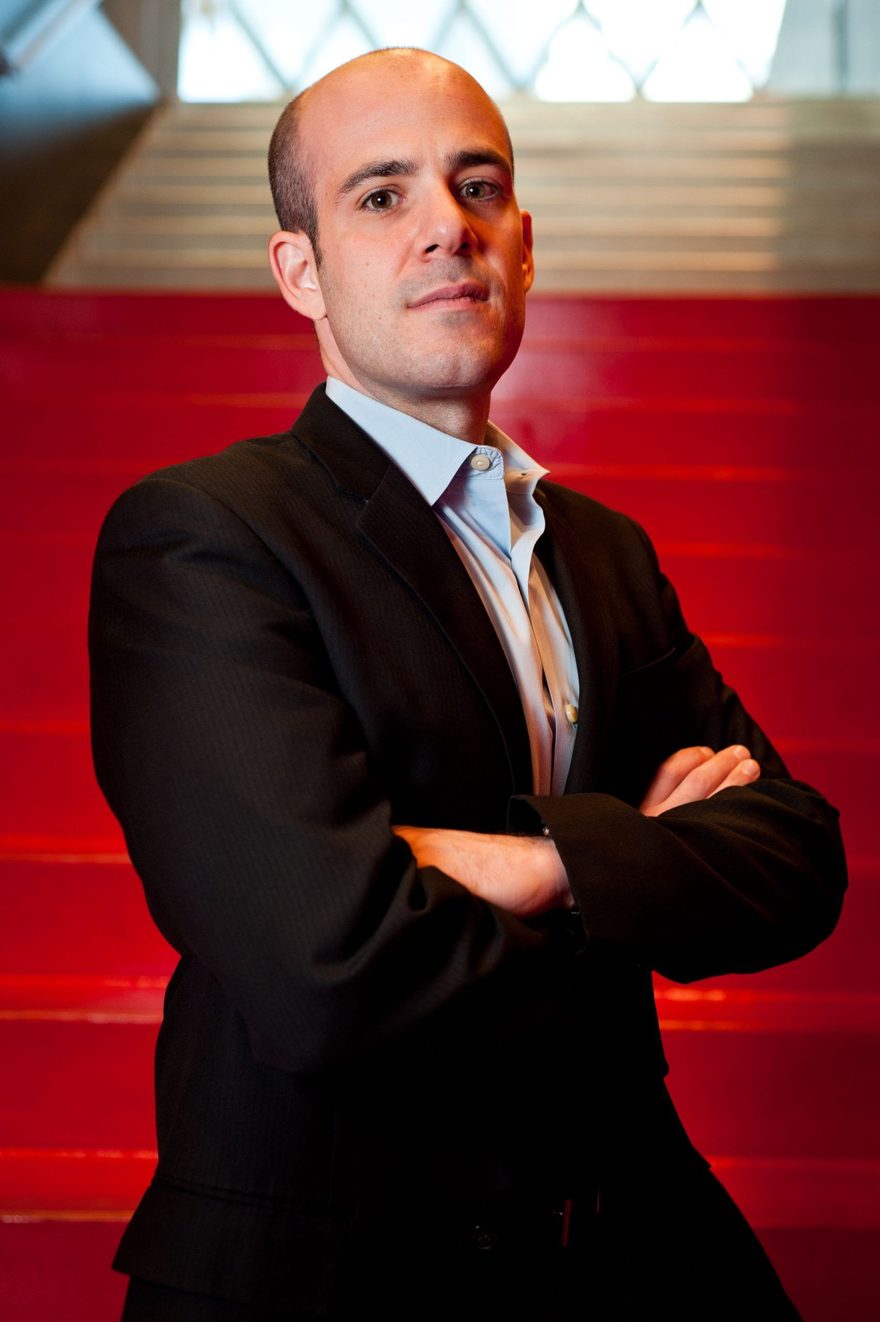
Scott Steinberg, medical futurist keynote speaker and healthcare technology analyst
Scott Steinberg — futurist, analyst and keynote speaker for medical and healthcare audiences.
3,000+
Organizations advised, from startups and associations to government agencies and Fortune 500 firms
25 years
Strategy, management and management consulting experience
30+
Books published on technology, innovation, business and marketing
5,000+
Published articles, with media appearances on ABC, CBS, CNN, NBC and the TODAY Show

Medical futurist keynote speaker and healthcare events

Each session is built against your program theme and audience after a planning call. Below you can see typical celebrity medical futurist keynote speaker event formats and running times; all of it is adjustable.

Main-stage keynote

45–60 min, with Q&A

Medical association annual meetings

An association audience arrives with its own specialty expertise intact and does not need that explained back to it. What an opening or closing general session by a famous medical futurist keynote speaker can supply is a look at the future of medicine and business, or what's coming next for the field: which technologies are arriving on what timeline, what is changing about how care gets paid for and delivered, and which of it the membership should be preparing for now.

Typically programmed as opening general session, closing session, or a presidential-theme keynote tied to the meeting's framing.

Closed executive briefing

60–90 min, discussion format

Health system leadership and board retreats

A board or C-suite retreat looking to book or hire a famous medical futurist keynote speaker has a decision agenda, not an entertainment slot, and the thought leadership segment earns its place by sharpening that agenda. These run as structured discussion rather than presentation: a compact read on the forces in play, then working through what they mean for this organization's capital plans, service lines, partnerships and risk posture.

Typically programmed as a retreat opener that sets context before strategy work, or a standalone session for a board education calendar.

Keynote or sales kickoff

45–60 min

Med-tech, device and diagnostics sales meetings

A commercial team spends the year answering customer objections about where the market is going, and a kickoff keynote is the chance to arm them with that answer rather than a motivational one. Sessions address how buying is actually changing inside health systems, what procurement committees now ask for, and how to talk about an emerging product category to a skeptical clinical buyer.

Typically programmed as national sales meeting opener, field kickoff, distributor or channel conference keynote, or a customer-facing session at a trade show booth theater.

Keynote or general session

45–60 min

Pharma, biotech and life sciences commercial meetings

Commercial and medical affairs teams in life sciences work on timelines long enough that the environment may shift underneath a program before it launches. A winning medical futurist keynote speaker program maps what is changing in how prescribers work, how patients find and choose treatment, how digital channels and AI tools are remaking engagement, and which of those shifts are durable rather than seasonal.

Typically programmed as commercial or brand team meeting keynote, launch meeting opener, medical affairs offsite session, or an advisory board warm-up.

Briefing or workshop

90 min to half day

Physician and clinical leadership programs

Clinicians moving into leadership roles are being asked to make decisions about technology, staffing models and capital that their training did not cover. A working session gives that cohort a method for reading the environment — separating what is genuinely uncertain from what is already settled — and applies it to the decisions actually sitting in front of them.

Typically programmed as a module inside a physician leadership academy, chief-of-service development program, or a medical staff leadership retreat.

Main-stage keynote

45–60 min

Nursing, allied health and clinical workforce conferences

Audiences on the delivery side of care are the first to discover whether a new technology helps or simply adds documentation. Sessions for these rooms address what automation realistically relieves and what it does not, how roles and scope are being redrawn, and what the next several years look like for people doing the work rather than specifying it.

Typically programmed as conference general session, nursing leadership summit keynote, magnet or recognition event session, or a system-wide clinical town hall.

Keynote or moderated session

45–60 min

Healthcare IT and digital health conferences

A digital health audience has heard the category pitch and wants the distinction between deployed and demonstrated. Medical futurist keynote speaker talks separate what is in production and working from what is a pilot with a roadmap attached, and cover how to evaluate what a vendor is selling — useful on a main stage and equally useful as a moderated session that keeps a vendor panel honest.

Typically programmed as conference keynote, track opener, vendor user-conference session, or main-stage panel moderation.

Keynote or briefing

45–60 min

Payer, health plan and benefits meetings

The arrangements between who delivers care and who pays for it keep being redrawn, and plans have to build products against a model that has not settled. Presentations cover where financial risk is moving, what new entrants have and have not managed to change, and how member expectations set by other consumer industries are landing on plan design and service.

Typically programmed as health plan leadership meeting keynote, broker or employer-group conference session, or an annual benefits summit opener.

Keynote or workshop

45–90 min

Academic medicine and medical education events

Faculty and program leadership are training people for a practice environment that will differ from today's by the time those trainees are independent. Sessions address what is changing in the tools clinicians will actually use, what that implies for curriculum and competency, and how academic health centers are positioning research and training against it.

Typically programmed as grand rounds, faculty development day keynote, graduation or white coat address, or a dean's-office strategy retreat session.

Moderation, fireside, hosting

30 min to full program

Panels, fireside chats, emcee work and hosting

Certain speaking slots need a guide rather than a speaker. Panel moderation, one-on-one fireside chat interviews, awards and recognition hosting, and full-program emcee work are all available, including days where moderation sits alongside a keynote earlier in the agenda.

Typically programmed as main-stage panel moderation, executive fireside chat, awards show hosting, or day-long conference emcee.

Medical Futurist Keynote Speaker Topics of Interest

Consider each a starting point rather than a fixed selection, and most programs generally draw on elements of two or three components. Content is developed for your audience after a planning call.

  • Artificial intelligence in medicine
  • Clinical decision support and diagnostics
  • Robotics and surgical technology
  • Precision medicine and genomics
  • Digital therapeutics and connected care
  • Wearables and remote monitoring
  • Hospital of the future
  • Clinical workforce and automation
  • Patient and consumer behavior
  • Med-tech commercialization
  • Pharma and biotech market shifts
  • Health data, privacy and interoperability
  • Telehealth and access models
  • Aging, longevity and chronic care
  • Behavioral and mental health technology
  • Healthcare cybersecurity risk
  • Innovation culture in health organizations
  • Scenario planning and strategic foresight

Expert and consulting work in healthcare

Off-stage, Scott is engaged as a strategic consultant, thought leader, influencer, content creator and expert by medical, healthcare, med-tech and life sciences organizations. These engagements stand alone or attach to a speaking date.

Strategic foresight and scenario work

Facilitated sessions that identify what is genuinely uncertain, what is already determined, and where an organization should be placing its bets — with the output being decisions rather than a deck.

Market and trend research

Commissioned research and written analysis on a defined question: an emerging product category, a shifting buyer, a technology an organization is deciding whether to build around.

Innovation program review

An outside read on an innovation function, accelerator or venture arm — what it is actually producing, how it compares to peers, and where its portfolio is exposed.

Board and leadership briefings

Recurring or one-time briefings that keep a board or executive team current on technology and market change without each member assembling it themselves.

Media commentary and spokesperson work

On-camera and quoted commentary, satellite media tours and press-facing explanation of technology developments for organizations that need a credible outside voice.

Content, thought leadership and advisory retainers

Research-backed influencer and content creator work under an organization's banner, plus ongoing advisory arrangements for teams that want continuity rather than a single engagement.

What planners need to know

The logistics questions that usually come first, answered up front.

Lead timeEarlier is easier, and spring and fall conference season books furthest out. Shorter timelines are often workable — ask rather than assume a date is gone.
FeesQuoted per engagement. The fee depends on date, location, format, travel and how much of the day is committed. Nonprofit, association and multi-session pricing is discussed case by case.
TravelTravels from New York City, and speaks internationally. Travel is handled per the engagement agreement.
Virtual and hybridAvailable, and genuinely built for the format rather than a stage talk pointed at a webcam. Suitable where travel, budget or program structure makes it the better fit.
Content developmentA planning call covers your program theme, who is in the room, what previous speakers have said, and what you want people doing differently afterward. The session is built against that.
A/V requirementsStandard: confidence monitor, lavalier or headset microphone, HDMI, and the ability to present from his own device. Deck supplied in advance on request.
PromotionPhoto, biography, session description, topic abstract and social copy supplied for your program book, registration site and attendee communications.
On-site extrasBook signings, VIP and sponsor receptions, press interviews, breakout sessions and recorded segments can be added to a speaking day.
Recording and reuseRecording for internal or attendee use is generally accommodated. Terms are set in the agreement before the event.

Scope, stated plainly

Scott Steinberg is not a physician, nurse, or licensed clinician, and does not hold a medical degree. Nothing presented is clinical guidance, and sessions do not address diagnosis, treatment, standards of care, or medical decision-making.

What he brings to a medical audience is a futurist's view: 25 years analyzing how technology, consumer behavior and business models change industries, applied to medicine. Clinical audiences generally want exactly that — an informed outside perspective on the forces shaping their environment, rather than someone explaining their own field back to them. If your program needs clinical content delivered by a clinician, that is a different booking, and saying so now saves everyone a planning call.

About Scott Steinberg

World-famed thought leader and strategic consultant Scott Steinberg is a medical futurist keynote speaker, influencer and business trends expert with over 25 years of experience advising more than 3,000 businesses and brands, from startups to government agencies and Fortune 500 firms.

He is the author of over 30 books and has published more than five thousand articles covering sample areas like business, technology, marketing, leadership, innovation, advertising and digital transformation. He's been featured in over 800 media outlets from CNN and TIME to The Today Show.

He has led seminars, keynotes and training programs for organizations including IBM, Bank of America, People, Amazon, Meta, Microsoft, Wells Fargo, the PGA Tour, Century 21, Ford, Dell and Procter & Gamble, and has been recognized by the International Association for Scholastic Excellence, Fortune and the 21st Century Icon Awards.

Questions planners ask

What is a medical futurist keynote speaker?

A medical futurist keynote speaker is a speaker who analyzes how technology, workforce, business model and patient behavior changes are likely to remake medicine, and presents that analysis to healthcare audiences so they can plan against it. Some are practicing clinicians who speak about their own field; others, Scott Steinberg among them, are technology and business analysts who bring an outside read on the forces acting on healthcare. The two are useful for different programs, and it is worth deciding which your audience needs before you shortlist.

Is Scott Steinberg a doctor?

No. Scott Steinberg is a technology and business futurist, analyst and consultant, not a physician or licensed clinician, and he does not present clinical content. His sessions address the technology, workforce, business and consumer forces redefining medicine. Programs that need clinical material delivered by a credentialed clinician should book a clinician.

What kinds of medical audiences does he speak to?

Medical association annual meetings, health system leadership and board retreats, med-tech and device sales meetings, pharma and biotech commercial meetings, physician leadership programs, nursing and allied health conferences, healthcare IT and digital health conferences, payer and health plan meetings, and academic medicine events. Sessions get built for the specific room, so a board briefing and a conference keynote on the same subject look quite different.

How long is a keynote, and what formats are available?

A main-stage keynote typically runs 45 to 60 minutes including questions. Closed executive briefings run 60 to 90 minutes in a discussion format. Workshops run from 90 minutes to a half day. Panel moderation, fireside chat interviews and full-program emcee work are also available, and more than one format can sit on the same day.

What does it cost to book him?

Fees are quoted per engagement rather than published, because they depend on the date, the location, the format, travel, and how much of the day is committed. Association, nonprofit and multi-session arrangements are discussed case by case. Send your date and format and you will get a figure rather than a brochure.

How far ahead should we ask about a date?

Earlier is easier, particularly for spring and fall conference season, when the calendar fills furthest in advance. Short-notice requests are still worth sending, because cancellations and virtual formats open dates that look unavailable from the outside.

How is a session developed for our specific event?

Through a planning call covering your program theme, the composition of the audience, what has been said at previous events, and what you want attendees doing differently afterward. The session is then built against that brief. Nothing comes from a stock deck, and the title and abstract can be written to match your program copy.

Does he speak online at webinars, livestreams and virtual events?

Yes, and virtual sessions are built for the format rather than delivered as a stage talk pointed at a webcam. Virtual and hybrid delivery works well where travel cost, program structure or a distributed audience makes it the better fit, and the planning process is the same.

Can he moderate a panel or host the full program?

Yes. Panel moderation, one-on-one fireside interviews with executives or clinical leaders, awards and recognition hosting, and day-long emcee work are all available, either on their own or alongside a keynote earlier in the agenda.

What do you supply for our program book and promotion?

Photography, a biography at the length you need, a session title and description, a topic abstract, and social copy for attendee communications. Anything your registration site or printed program requires can be supplied in the format you need it.

Is he available for consulting as well as speaking?

Yes. Advisory work includes strategic foresight and scenario sessions, commissioned market and trend research, innovation program review, recurring board and leadership briefings, media and spokesperson work, and content and thought leadership retainers. These stand alone or attach to a speaking engagement.

How do we check availability?

Email info@futuristsspeakers.com or call 202-301-6730 with your date, city, audience and format. You will get a straight answer on availability and fee rather than a sales sequence.
Check a date

Send the date, the city, who is in the room and the format you are considering. You will get availability and a fee, and if the fit is wrong you will be told that too.

Email about a date

Based in
New York City, New York — available worldwide
Formats
In person conferences, virtual events and hybrid meetings